


Volume Booster-Sound Amplifier
4.411.00 Reviews
App Specs
- Version
- 1.0.3
- Updated On
- License
- Free
- Downloads
- 100,000+
- Developer
- PLHGlobal
- Categories
- Music & Audio
- Platform
- Android
Screenshots
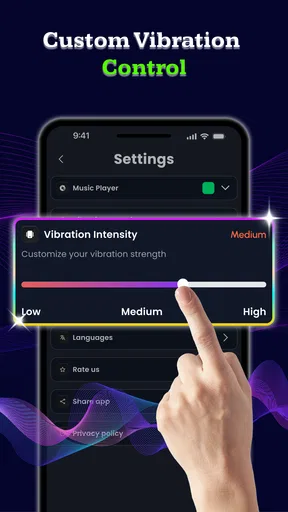
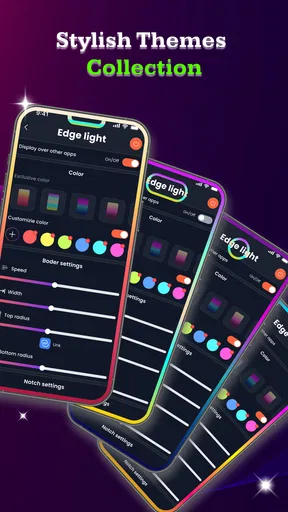
 Analysis by AppCompare
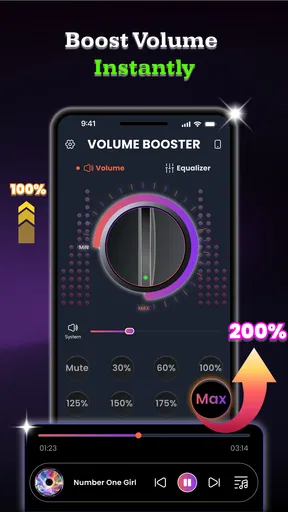
I approached Volume Booster-Sound Amplifier as someone who simply wanted louder, more noticeable audio without turning the search into a long technical project. It is a free Music & Audio app from PLHGlobal, and its purpose is easy to understand: it is designed to boost volume and make sound feel stronger when the output from a phone seems too restrained. That makes it especially appealing for casual listening, spoken audio, and moments when the built-in volume level does not quite feel sufficient.
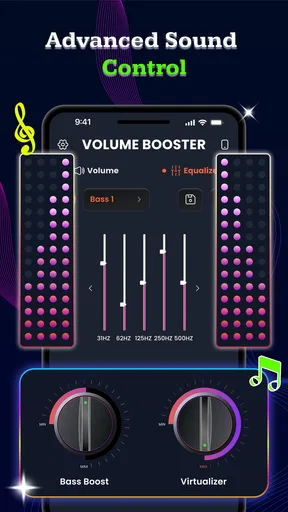
My first impression is that this is a focused tool rather than a complete music player or a replacement for a full equalizer. The store summary points toward louder, enhanced audio anywhere, while the short description keeps the idea even simpler: Volume Booster. That narrow purpose is useful because I do not have to learn a large collection of audio controls before trying it. At the same time, anyone expecting studio-style sound shaping should approach it with the right expectations.
What the first use feels like
The app is currently at version 1.0.3, and its straightforward identity is reflected in the way I think about using it: open it when the phone’s normal output is not enough, make a careful adjustment, and listen for the result. I would not install it expecting a new streaming catalog, offline music library, or advanced recording workspace. Its value is in changing the listening experience that already comes from the device.
That distinction matters. A volume booster can help when a podcast sounds quiet in a noisy kitchen, when a video’s dialogue is difficult to follow from across a room, or when a casual music session lacks impact. It cannot turn a small phone speaker into a dedicated sound system. The physical speaker, the quality of the recording, the connected headphones, and the environment still shape what I hear.
The app has an Everyone content rating, so it is positioned as a general-audience utility rather than something aimed at a particular age group. It is also free, which lowers the barrier to testing it for a few minutes. I like that combination for a first-time user: there is no need to commit money before finding out whether the sound change suits your phone and your ears.
Who will notice the benefit first
I think the strongest audience is someone who already has audio playing but wants more presence. That includes people listening to spoken-word content while cooking, watching a short clip in a room with background noise, or using a phone for casual music when carrying another speaker is inconvenient. The improvement is most meaningful when the original audio is understandable but lacks enough loudness for the situation.
It is less suitable for a listener who wants detailed control over bass, treble, balance, compression, or a carefully tuned headphone profile. A dedicated equalizer or the controls built into a music player may be the better option in that case. I would also skip it if the real problem is a damaged speaker, a blocked grille, a poor recording, or headphones that are already failing. More amplification cannot repair those issues.
Worth Reading Before You Choose

EA SPORTS FC Mobile 26 Is a Bigger Football Game, but It Takes Time

Flipboard Shows What News Apps Must Do Beyond the Feed

Switching to Android Auto Means Rethinking Your Driving Routine

Google Calendar Makes a Crowded Week Easier to Manage

Ludo King Makes the Most of the Minutes Between Plans

Baby Panda World Brings Quick Play to Modern Phones, but Its Game Library Feels Busy
Getting started without overthinking it
After installing it, I would begin with the phone’s ordinary media volume at a comfortable level rather than immediately pushing everything to its limit. Then I would play a familiar piece of audio, preferably something with both speech and music, so that changes are easier to notice. A familiar podcast segment works well because voices reveal harshness and distortion faster than a dense song can.
The first useful habit is to change only one thing at a time. If I raise the phone volume and adjust the booster together, I lose track of what actually helped. Starting conservatively gives me a reference point and makes it easier to stop when the sound becomes uncomfortable. This is not just a comfort tip; it is the best way to tell whether the app is adding useful loudness or merely making the output more aggressive.
I would also test the app with the exact setup I plan to use. Phone speakers, wired headphones, wireless earbuds, and a car connection can all respond differently. A setting that sounds acceptable through the built-in speaker may feel too sharp through earbuds. Testing before settling into a long listening session prevents a small adjustment from becoming an unpleasant surprise later.
The first meaningful success
A realistic first success would be making a quiet spoken clip understandable while doing a normal household task. I might start a podcast, place the phone on a nearby counter, and adjust the booster gradually until the voice remains clear over the surrounding noise. The goal is not simply “as loud as possible.” The goal is to reach a level where I can follow the content without constantly leaning toward the phone or replaying sentences.
That use case also reveals an important trade-off. More volume can expose recording flaws that were less obvious before. Sibilant voices may sound sharper, background hiss may become more noticeable, and music with already-heavy mastering may feel tiring. If that happens, I would lower the setting slightly instead of assuming the app has failed. The most useful point is often below the maximum level because clarity matters more than raw loudness.
For music, I would use a track I know well and listen briefly to quieter passages as well as louder ones. A booster can make an immediate impression during a chorus, but a balanced test includes the softer parts where distortion or fatigue may become easier to detect. This is one of the practical differences between trying the app thoughtfully and judging it from a few seconds of loud playback.
Where first-time users may get confused
The phrase “volume booster” can sound more powerful than the real-world result. It does not mean every source will become dramatically louder, and it does not guarantee that every device will respond in the same way. The phone’s operating system and audio hardware still place limits on the experience. If the output reaches an uncomfortable point quickly, that is a reason to reduce the level, not to keep searching for more.
Another common misunderstanding is expecting the app to improve the original recording itself. If a video has muffled dialogue, missing detail, or uneven mixing, increased loudness may make the problem more obvious rather than solving it. I find it helpful to compare two or three different sources before deciding whether the app works for me. If one clip improves and another remains poor, the source material is probably part of the explanation.
There is also a difference between louder sound and better sound. Stronger output can be welcome for a short video, but a listener who spends hours with headphones may prefer a lower, cleaner level. I would treat the app as a situational tool, not an invitation to listen at maximum intensity throughout the day. Taking breaks and keeping playback comfortable are more important than chasing the biggest possible boost.
How it compares with the usual alternatives
The simplest alternative is the phone’s own volume control. That remains the best choice when the normal output already meets my needs because it involves no extra step and keeps the listening chain simple. Volume Booster-Sound Amplifier becomes more interesting when the standard control feels insufficient and I want a dedicated way to pursue stronger output.
A music player with built-in equalizer controls is a better match for someone who wants to shape tone rather than only raise loudness. Equalization can sometimes make a track feel clearer by reducing muddiness or emphasizing speech-friendly frequencies, but it also asks the user to understand more settings. This app’s appeal is the opposite: less experimentation, quicker access to the central purpose.
External Bluetooth speakers and headphones remain the stronger solution when the limitation is the phone’s small speaker or weak physical projection. They can change the listening environment more substantially than software alone. The trade-off is cost, charging, carrying another device, and pairing. For a quick improvement with the hardware already in hand, the app is more convenient; for room-filling audio, dedicated equipment is more realistic.
System-level accessibility or sound controls may also be preferable for users who need a consistent adjustment across many kinds of media. Those controls can be more integrated with the phone, while a dedicated booster may appeal to someone who wants a separate audio-focused utility. I would choose based on whether I need occasional extra loudness or a permanent, device-wide listening setup.
Small habits that make the app more useful
My first practical tip is to keep a reference clip. A short, familiar piece of speech gives me a reliable way to judge whether a change improves clarity. Without a reference, I can easily mistake novelty for quality, especially after listening to the same boosted sound for several minutes.
My second tip is to test quiet and busy environments separately. A level that works in a silent bedroom may be inadequate on public transport, while a level that cuts through traffic noise may be unnecessarily intense indoors. Matching the setting to the environment is more sensible than searching for one permanent level that works everywhere.
My third tip is to check the output device before blaming the app. If the phone speaker is covered by a case, placed against a soft surface, or aimed away from me, changing its position may help more cleanly than increasing amplification. With headphones, I would verify that both sides are seated properly and that the source itself is not unusually quiet. These simple checks prevent the booster from being used as a solution to a physical setup problem.
A fourth useful approach is to use it for short, specific tasks rather than leaving it active without thinking. For example, I might boost dialogue while following a cooking video, then return to a comfortable level for music afterward. This keeps the app tied to a clear purpose and reduces the chance of carrying an unnecessarily strong setting into another type of content.
Performance expectations and practical limits
The app’s public reception is encouraging, with a 4.4 average from around 358 ratings and more than 100K installs. Those figures suggest that many people are interested in this kind of focused audio utility, but they should not replace personal testing. Sound depends heavily on the phone, the media source, and the output device, so another person’s experience may not match mine exactly.
Because the developer is PLHGlobal and the app is still presented as a compact volume-focused tool, I would judge it by how quickly it helps with a specific listening problem rather than by comparing it with a full audio workstation. The current version may suit someone who wants a direct experiment, but a specialist listener should still look for the controls and consistency offered by a dedicated audio solution.
The main limitation is inherent to the category: increasing output can introduce harshness, distortion, or listening fatigue. I would stop adjusting as soon as speech becomes less natural or music loses its balance. If the phone becomes warm, the sound crackles, or the result feels uncomfortable, lowering the level and checking the hardware is the sensible response. A useful booster should make listening easier, not turn every session into a test of endurance.
My recommendation for a first-time install
I would recommend Volume Booster-Sound Amplifier to someone who wants a free, uncomplicated way to try stronger audio on an Android or iOS listening setup and understands that the result depends on the device. It is particularly reasonable for occasional videos, spoken content, and casual playback where the normal level feels just short of comfortable.
I would not recommend it as the first choice for audiophiles seeking precise tonal control, people trying to repair a faulty speaker, or anyone who expects software to deliver the impact of a larger external speaker. In those situations, a better-matched player, accessibility control, replacement headphones, or dedicated audio hardware will likely provide a more dependable answer.
My best advice is to begin with a familiar voice recording, adjust slowly, and judge success by clarity rather than sheer volume. If the app helps me understand a quiet clip without making the sound tiring, it has done its job. If it only makes distortion louder, I would remove it from that particular workflow and look for a solution that addresses the real limitation.
Overall, Volume Booster-Sound Amplifier is appealing because it keeps its purpose narrow and approachable. It costs nothing to try, carries an Everyone rating, and gives first-time users a clear experiment: start with ordinary playback, make a modest adjustment, and see whether the phone becomes more usable in the situations that matter. For occasional extra loudness, that simplicity is its strongest quality; for deep sound customization, it is also the point where I would look elsewhere.
Pros
- Quickly boosts low-volume audio with a simple interface.
- Works with music
- videos
- podcasts
- and many streaming apps.
- Includes separate controls for media volume and amplification.
- Useful for improving speech clarity on quiet recordings.
- Small app size with minimal setup required.
Cons
- Excessive amplification may cause distortion or crackling.
- Results vary depending on the phone’s speakers and Android version.
- May increase battery use during extended listening sessions.
- Not all apps respond consistently to external volume boosting.
- Loud output can damage hearing or strain connected headphones.
FAQs for Volume Booster-Sound Amplifier
What is Volume Booster-Sound Amplifier and what does it do?
Volume Booster-Sound Amplifier is an Android audio utility designed to make sound appear louder on a phone or tablet. After testing it with music, videos, games, notifications, and voice recordings, its main function is straightforward: it increases perceived volume beyond the device’s standard level. Results depend on the phone, speaker quality, Android version, and the media being played, so it should be viewed as an enhancement tool rather than a guaranteed replacement for better hardware.
Can Volume Booster-Sound Amplifier make every app louder?
The application may improve audio in many common situations, but it does not necessarily control every sound produced by every app. Music players, video services, games, and browser audio can respond differently because some use their own volume controls or audio systems. During use, it is important to adjust both the booster and the device’s regular volume. If an app does not react immediately, closing and reopening the media may help.
Is Volume Booster-Sound Amplifier safe for my phone and speakers?
Using any volume booster at a high level can potentially cause distortion, unpleasant sound, or long-term stress on the phone’s speaker. The application itself is generally intended as a software-based audio enhancer, but safety also depends on how it is used. Start with a low setting, increase the volume gradually, and reduce it if you hear crackling or harsh audio. Be especially careful when using headphones, since excessive volume can harm hearing.
Does Volume Booster-Sound Amplifier work with headphones and Bluetooth speakers?
It can work with some wired headphones, Bluetooth headphones, and external speakers, but compatibility and results are not identical across devices. Bluetooth products often apply their own volume limits, equalizer settings, or audio processing, which may reduce the booster’s effect. In testing, the clearest improvement is usually achieved when the phone and connected accessory are both set to a reasonable level. Always check the accessory’s independent volume controls.
Does Volume Booster-Sound Amplifier require internet access or contain in-app purchases?
The basic volume-enhancement function may work without a constant internet connection, which is useful when listening to locally stored music or watching downloaded videos. However, the exact offline behavior, advertisements, permissions, and optional premium features can vary between versions available in the app store. Before installing, review the current store listing and privacy information. If the app offers a paid upgrade, confirm what it removes or unlocks before purchasing.


